


WhatsApp:
+8617721334882


产 品 展 示
PRODUCTS
Provide customers with low-priced professional ore products and high-quality and efficient services
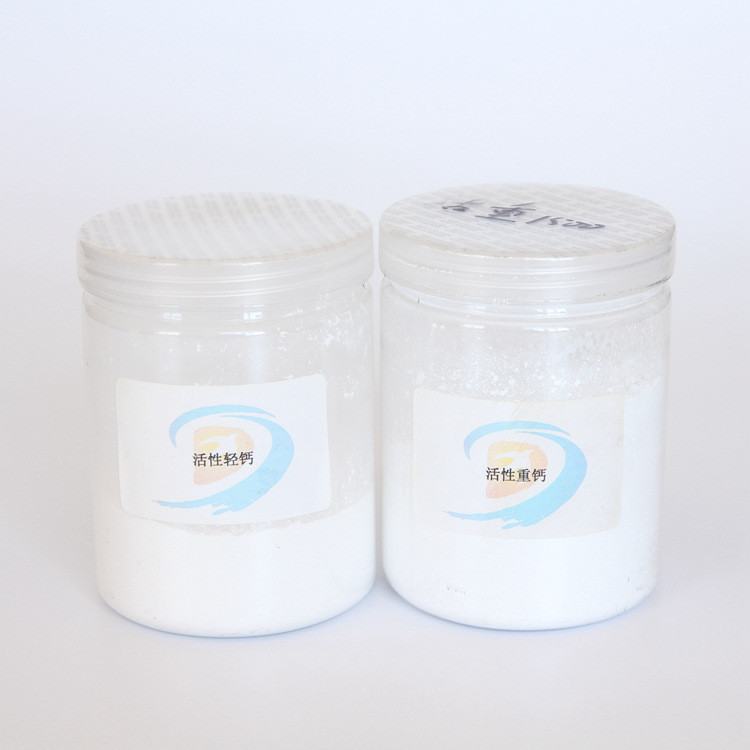


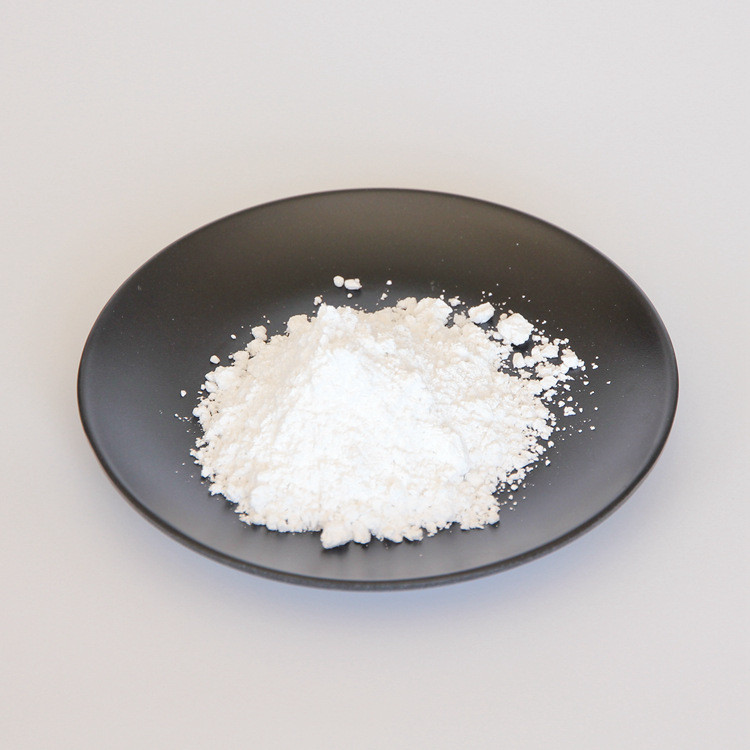
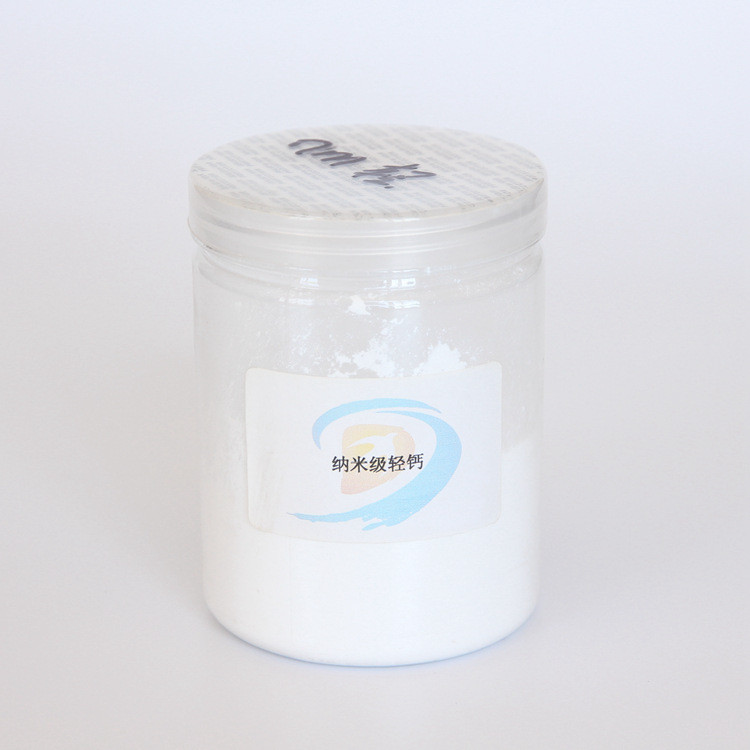

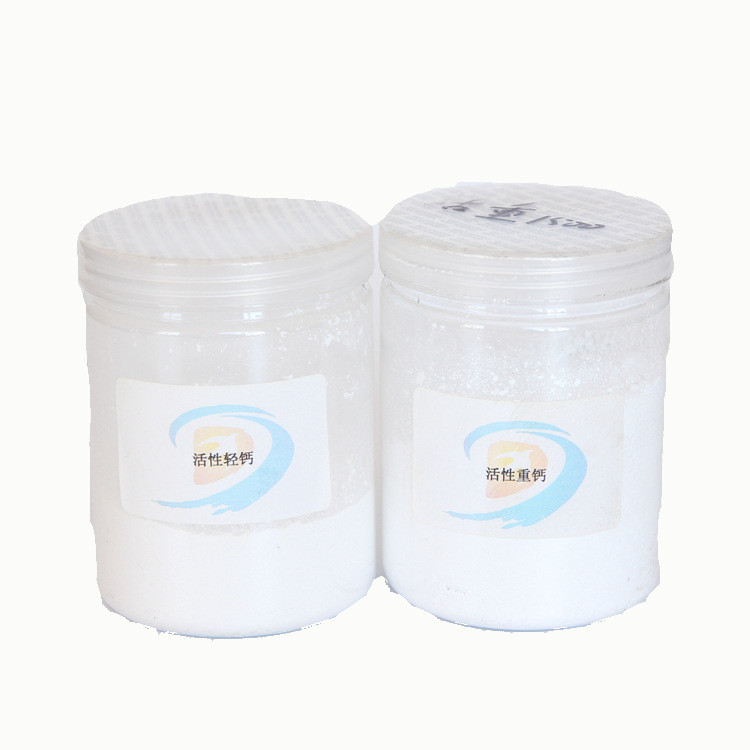
Ultrafine light heavy calcium carbonate
Light calcium carbonate refers to calcium carbonate produced by chemical methods (calcination digestion carbonization process) using limestone as raw material. Due to its lower bulk density than heavy calcium carbonate, it is called light calcium carbonate. Nano calcium carbonate is a type of light calcium carbonate. Lightweight calcium carbonate is widely used in plastics, rubber, coatings, papermaking, inks, adhesives, pharmaceuticals, and food industries, such as PVC pipes, plastic steel doors and windows, profiles, architectural coatings, etc. It is an important inorganic filler. Compared with high polymer materials filled with heavy calcium carbonate fillers, it is more practical due to the ability to regulate particle crystals according to different application requirements; Due to the large settlement volume, the same filling mass increases the volume of the product; Due to fewer impurities and uniform color difference in the product; Due to the small particle size of the original grade, the mechanical properties of the filling material are better under the same filling amount; However, due to the large specific surface area and oil absorption value, the resistance when mixed with resin is relatively high.
Limestone is the main raw material for light calcium carbonate. Limestone can be used to prepare ordinary light calcium carbonate, as well as ultrafine and nano calcium carbonate. In addition, ultrafine active calcium carbonate can be prepared through surface modification. The production process of ordinary lightweight calcium carbonate is as follows:; Calcining limestone raw materials to obtain calcium oxide and kiln gas carbon dioxide; Digest calcium oxide and crush and disperse the produced suspended calcium hydroxide under high shear force. Separate and remove particles and impurities in multi-stage suspension to obtain a refined calcium hydroxide suspension with a certain concentration; By using carbon dioxide gas and adding appropriate additives to control crystallization, carbonize to the endpoint, and obtain the desired crystalline form of calcium carbonate slurry; Dehydrate, dry, and surface treat the slurry to obtain the desired lightweight calcium carbonate product.